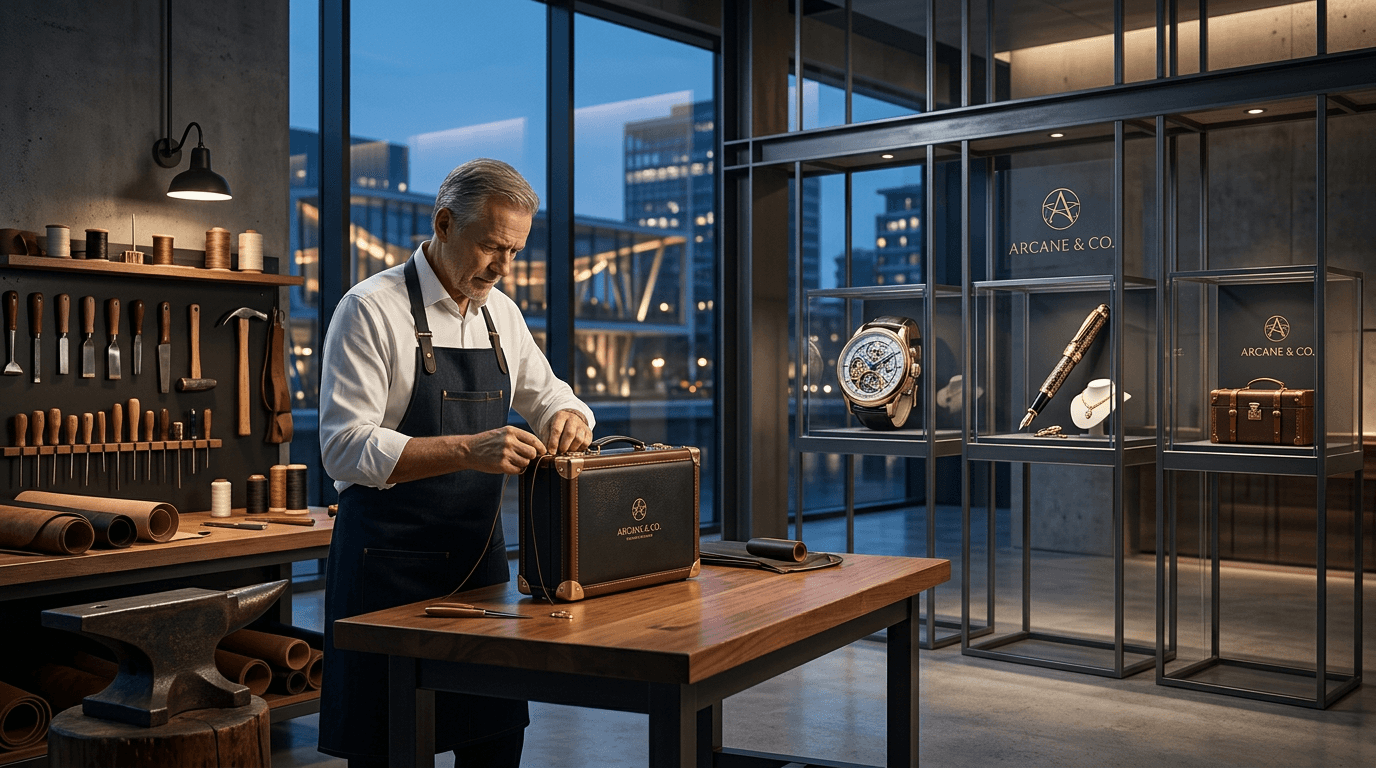

To the casual observer, it looks like corporate gluttony. To the serious collector, it looks like a hostile takeover of the soul of the craft. But to the market analyst, it’s something far more calculated. This isn’t just about growth; it’s about survival in an era where “luxury” is increasingly defined by who controls the dirt, the thread, and the forge.
The Death of the Middleman
For decades, the luxury industry operated on a gentleman’s agreement. A big brand would design a watch or a handbag, and a network of highly specialized, independent family workshops would actually build the components. It was a symbiotic ecosystem. But the pandemic, followed by an unprecedented surge in demand for "hard luxury," exposed a terrifying fragility in that model.
When your entire production line for a $50,000 timepiece relies on one guy in the Jura mountains who knows how to calibrate a specific 1950s milling machine, your business has a single point of failure. If that guy retires, or worse, gets bought by your biggest rival, you’re not just behind schedule—you’re out of the game.
By acquiring these specialists (vertical integration, in MBA-speak), luxury groups are effectively building a moat. They aren't just buying a factory; they are buying the "savoir-faire"—the institutional knowledge that can’t be taught in a textbook.
Quality Control as the Ultimate Flex
In the modern market, "luxury" is a word that has been bruised and battered by over-marketing. When everything is "luxury," nothing is. The only way to differentiate a truly elite product today is through obsessive, granular control over the supply chain.
When Hermes buys a tannery, they aren't just saving money on leather. They are ensuring that the top 1% of hides never even hit the open market. They get the first pick, the second pick, and the third pick. Everyone else gets the leftovers. This creates a tangible gap in quality that justifies the secondary market premiums we see on platforms like WAX.
For the collector, this matters because it changes the definition of value. We aren't just buying a brand name anymore; we are buying a vertical stack of excellence. When a group owns the foundry, they can experiment with alloys (like Rolex’s Everose or Omega’s Sedna gold) that their competitors literally cannot replicate because they don’t own the kitchen where the gold is cooked.
The Rarity Engine
There’s a darker side to this consolidation, too. By owning the specialists, the big groups can effectively throttle the production of their independent competitors. If a small, visionary independent watchmaker needs a high-end dial, they used to have five workshops to choose from. Today, three of those might be owned by a conglomerate that politely tells the independent, "Sorry, our internal capacity is full for the next three years."
This consolidation is turning the luxury landscape into a world of "Haves" and "Have-nots." The "Haves" own the means of production, ensuring their shelves stay stocked while the "Have-nots" struggle with lead times that stretch into the next decade.
Why This Matters to Your Collection
If you’re a budding enthusiast or a seasoned shark, you need to look past the logo on the dial or the clasp. You need to look at who owns the hands that made it.
Assets from vertically integrated brands often hold their value better because their quality is consistent and their supply is strategically managed. However, the pieces from the few remaining truly independent workshops—those who still source from the last standing independent artisans—carry a different kind of "maverick" premium. They represent the last of a dying breed of artisanal freedom.
At WAX Collect, we spend a lot of time looking at these lineage charts. Whether you’re using our free tools to catalog your collection or tapping into our concierge service to hunt for a specific piece, understanding the "why" behind the build is essential. A watch isn’t just a watch; it’s a map of acquisitions and ancestral secrets.
The industry is no longer just about who has the best designers. It’s about who owns the tools. And right now, the titans are buying every hammer in sight.


